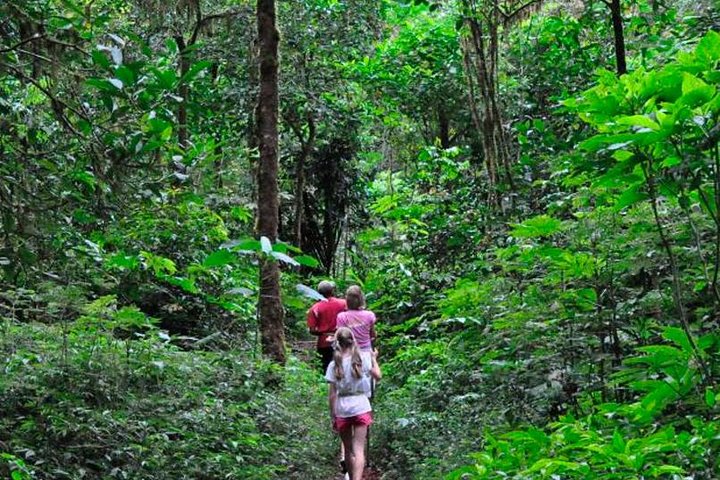
Academic group walking through a Sri Lankan forest

Field Experiences

Learning Happens Where the Questions Live

Courses explain what students learn. Field experiences define where and how they observe, document, discuss and practise it.

Build a Programme

From Knowledge to Practice

Six ways to learn in the field.

Every experience is adapted to student level, discipline, site conditions and available time.

01

Ecology · Field methods · Conservation

Forest Field Study

Enter a tropical forest with an academic or naturalist guide to document habitats, species relationships and conservation questions.

  • Expert-led site orientation
  • Observation and documentation
  • Guided questions and discussion
  • Structured reflection
02

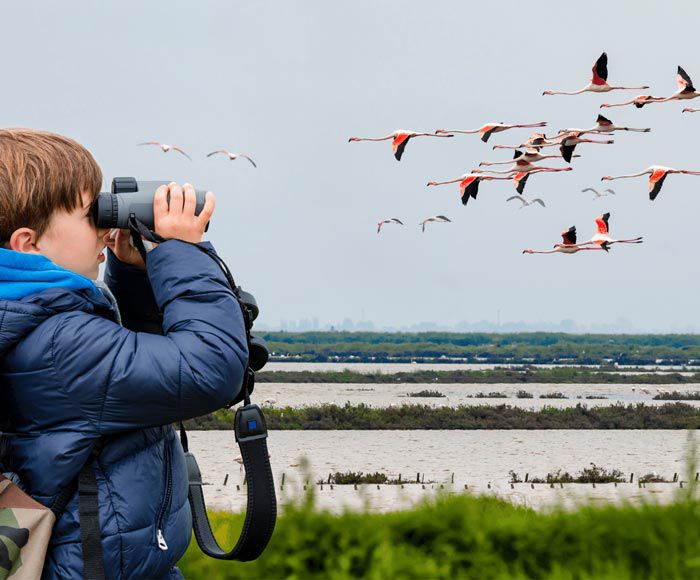
Identification · Habitats · Ornithology

Bird Observation

Practise ethical observation and identify endemic, migratory and wetland birds across contrasting habitats.

  • Expert-led site orientation
  • Observation and documentation
  • Guided questions and discussion
  • Structured reflection
03

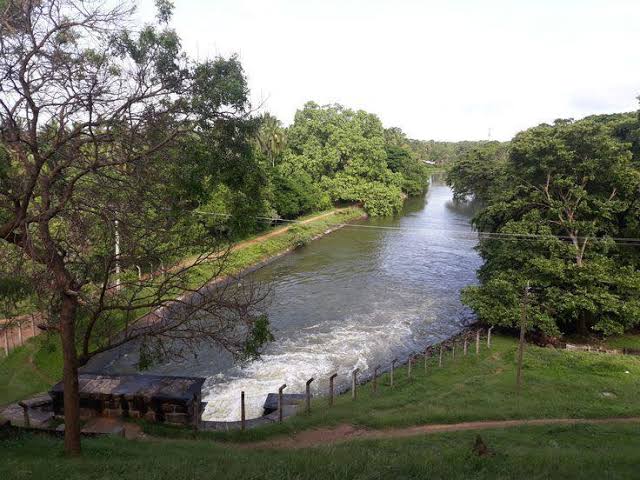
Engineering · Water · Agriculture

Ancient Irrigation Study

Visit tanks, canals and cascade systems to understand the engineering that connected water, agriculture and civilisation.

  • Expert-led site orientation
  • Observation and documentation
  • Guided questions and discussion
  • Structured reflection
04

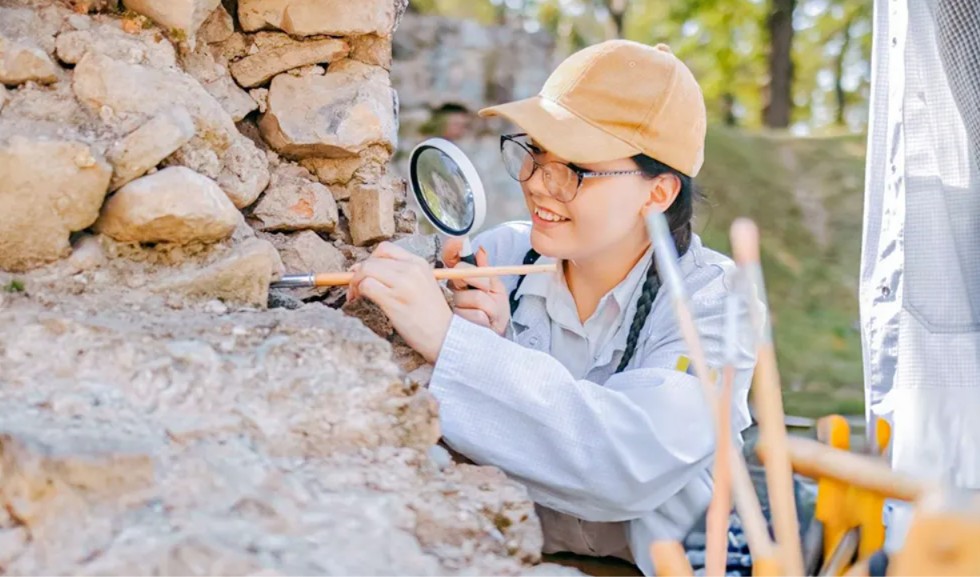
Archaeology · Heritage · Architecture

Archaeological Field Study

Read architecture, landscapes and material evidence on site with guided academic interpretation.

  • Expert-led site orientation
  • Observation and documentation
  • Guided questions and discussion
  • Structured reflection
05

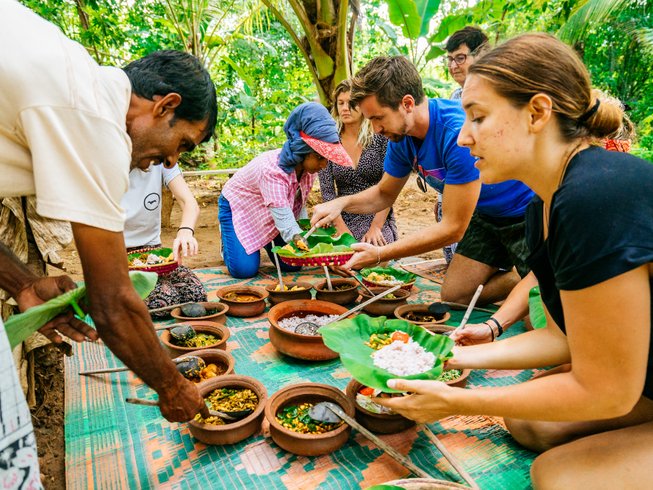
Anthropology · Food · Community

Village & Rural Life

Explore farming, food, community knowledge and changing rural livelihoods through respectful local exchange.

  • Expert-led site orientation
  • Observation and documentation
  • Guided questions and discussion
  • Structured reflection
06

Marine biology · Coasts · Livelihoods

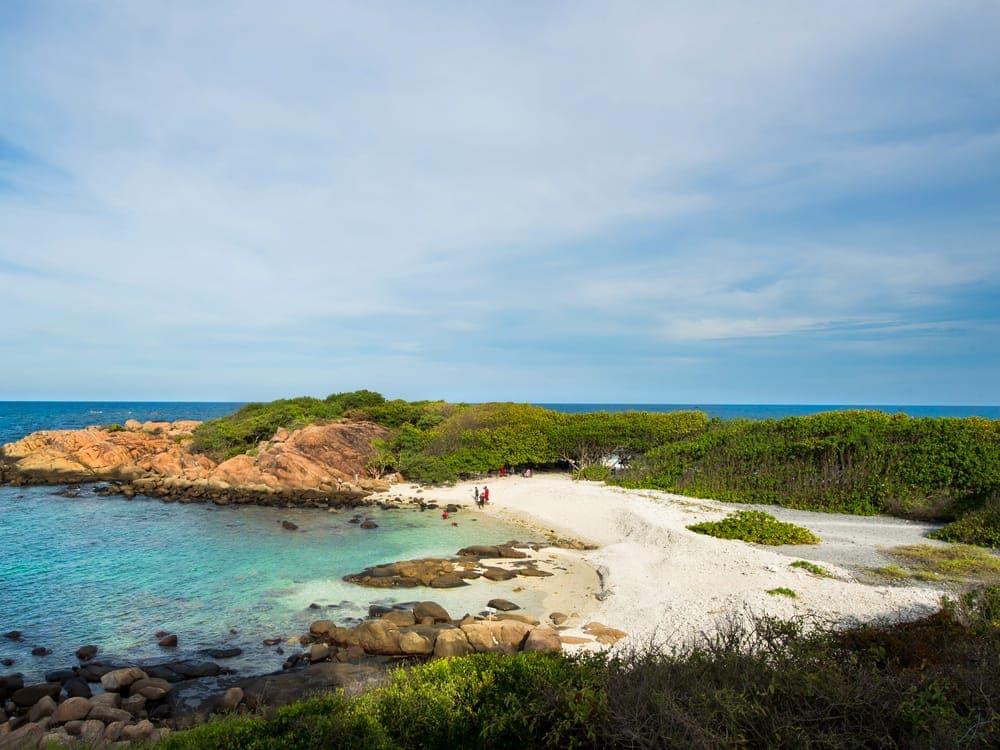
Marine Field Study

Investigate mangroves, reefs, fisheries and coastal resilience through observation and community perspectives.

  • Expert-led site orientation
  • Observation and documentation
  • Guided questions and discussion
  • Structured reflection

Learn + Travel

Academic session. Field study. Cultural experience.

A well-paced day can combine formal learning, site-based investigation, community interaction and time to experience Sri Lanka as a destination.

View programme formats