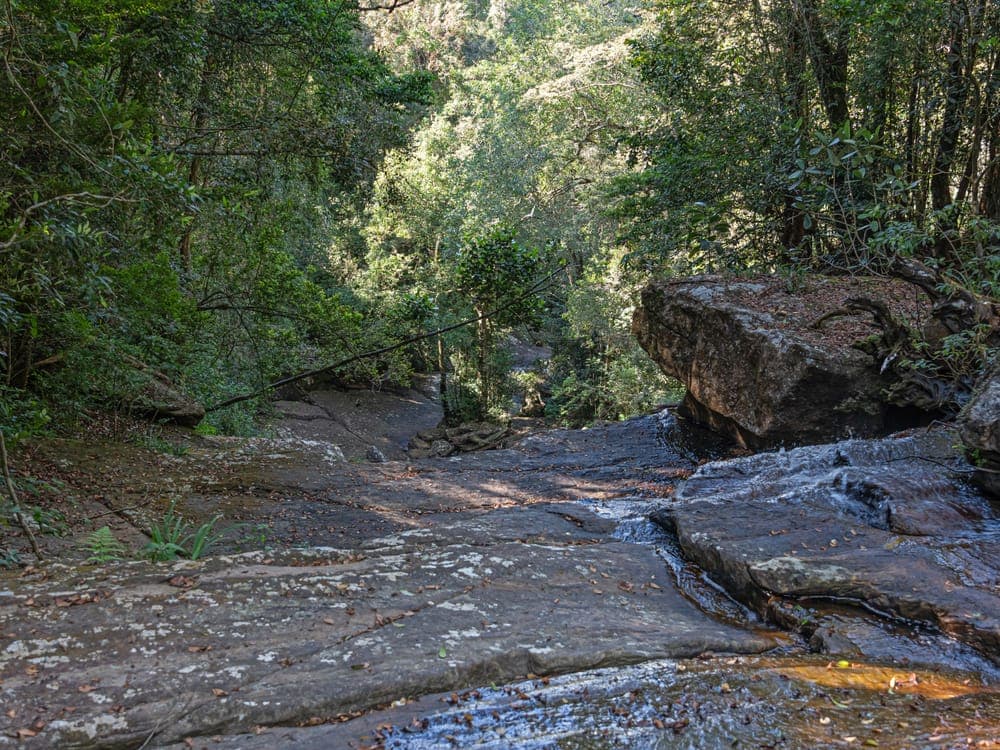
Biodiversity
Tropical rainforests, dry-zone habitats, montane ecosystems and exceptional endemism within a compact island.
Why Sri Lanka?
Few destinations bring biodiversity, ancient engineering, archaeology, culture and coastal science together within such a compact and connected field environment.
Explore CoursesThe Island Advantage
A journey through Sri Lanka can become a living classroom where different fields of knowledge come together. A single destination can reveal lessons in biodiversity, archaeology, engineering, culture, anthropology, wildlife, marine science, agriculture and more. Through field visits, practical activities and learning sessions with universities, accredited institutions and experienced experts, travellers can develop knowledge and gain a deeper understanding of the places they visit. Travel with curiosity, learn from the world around you, and turn every journey into an opportunity for meaningful learning.
Tropical rainforests, dry-zone habitats, montane ecosystems and exceptional endemism within a compact island.
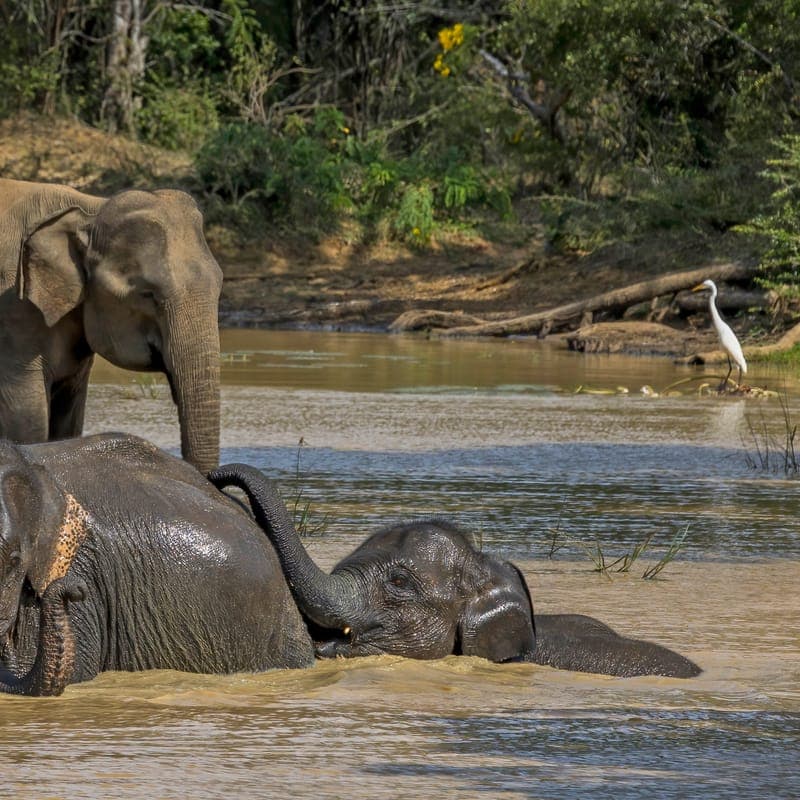
Elephants, leopards, primates, reptiles and amphibians create powerful opportunities to study ecology and conservation.
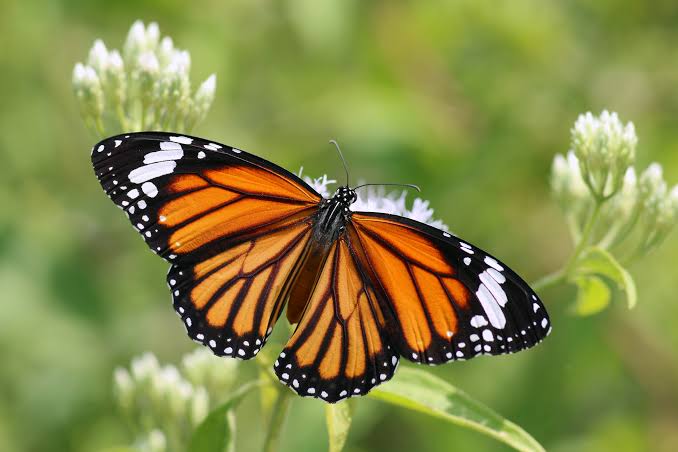
Endemic and migratory birds, diverse butterfly communities and varied habitats support specialist field study.
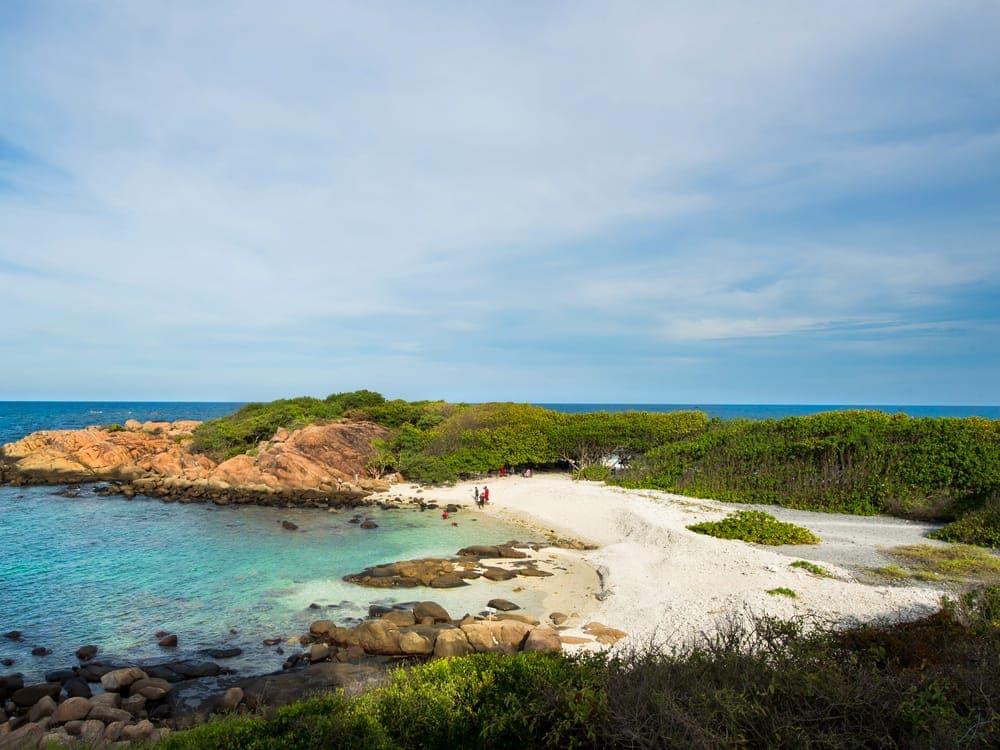
Coral reefs, mangroves, seagrass, turtles, marine mammals and fishing communities line the tropical coast.
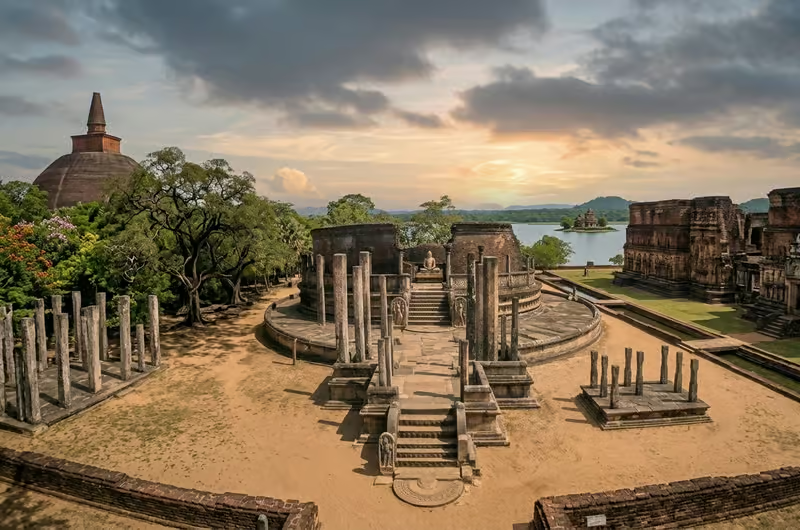
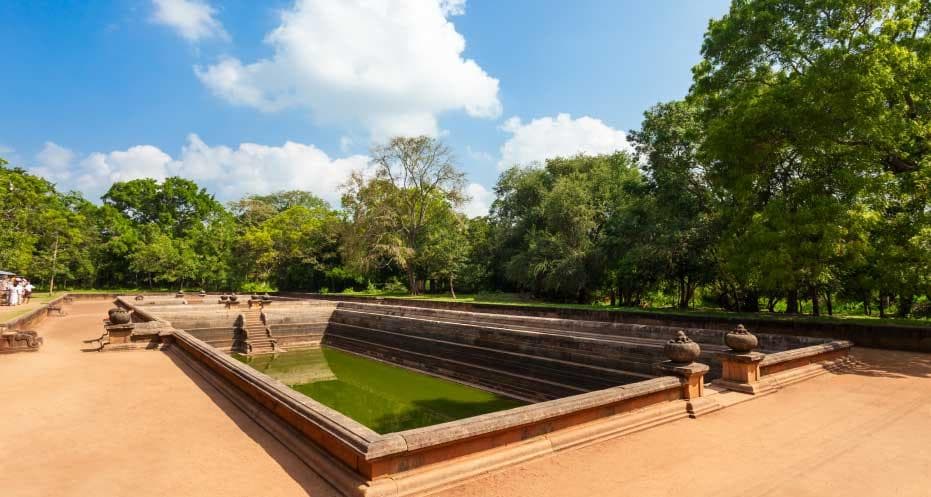
Anuradhapura, Polonnaruwa and Sigiriya reveal sophisticated cities, art, architecture and social organisation.
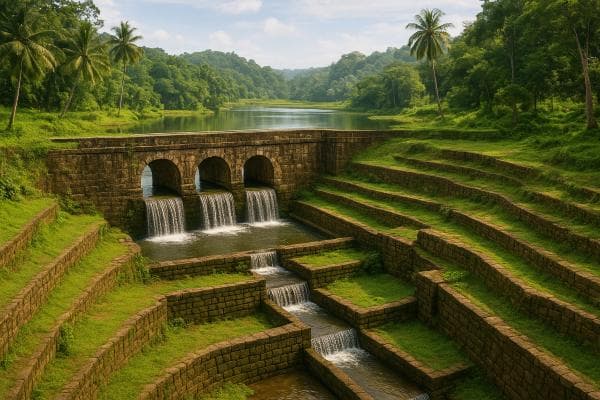
Reservoirs, canals and tank cascades connect engineering, agriculture, climate adaptation and civilisation.
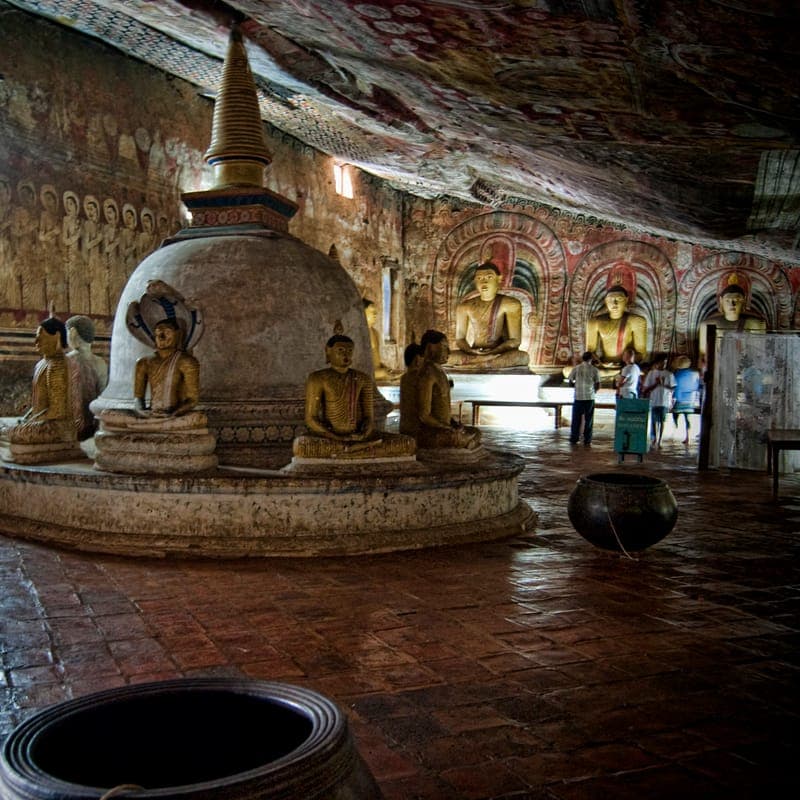
Buddhist and Hindu traditions, ritual, festivals, architecture, arts and local customs remain part of living culture.
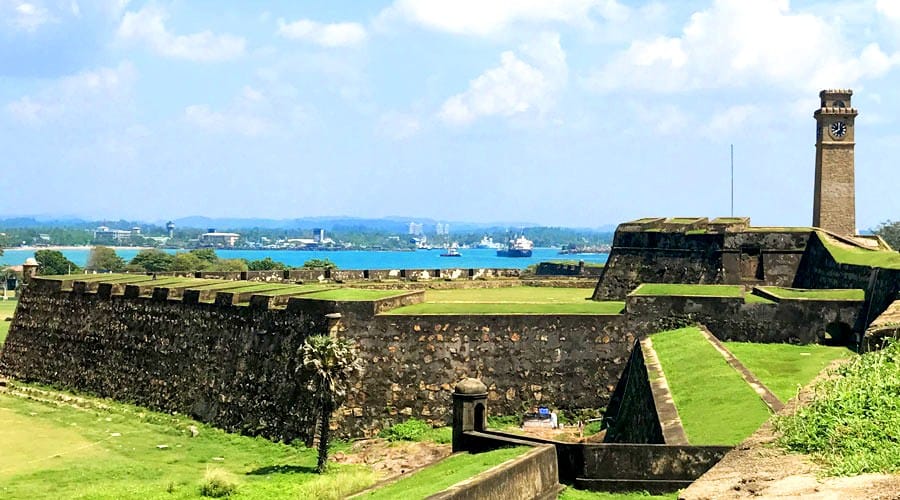
Portuguese, Dutch and British periods can be traced through forts, railways, plantations and changing economies.
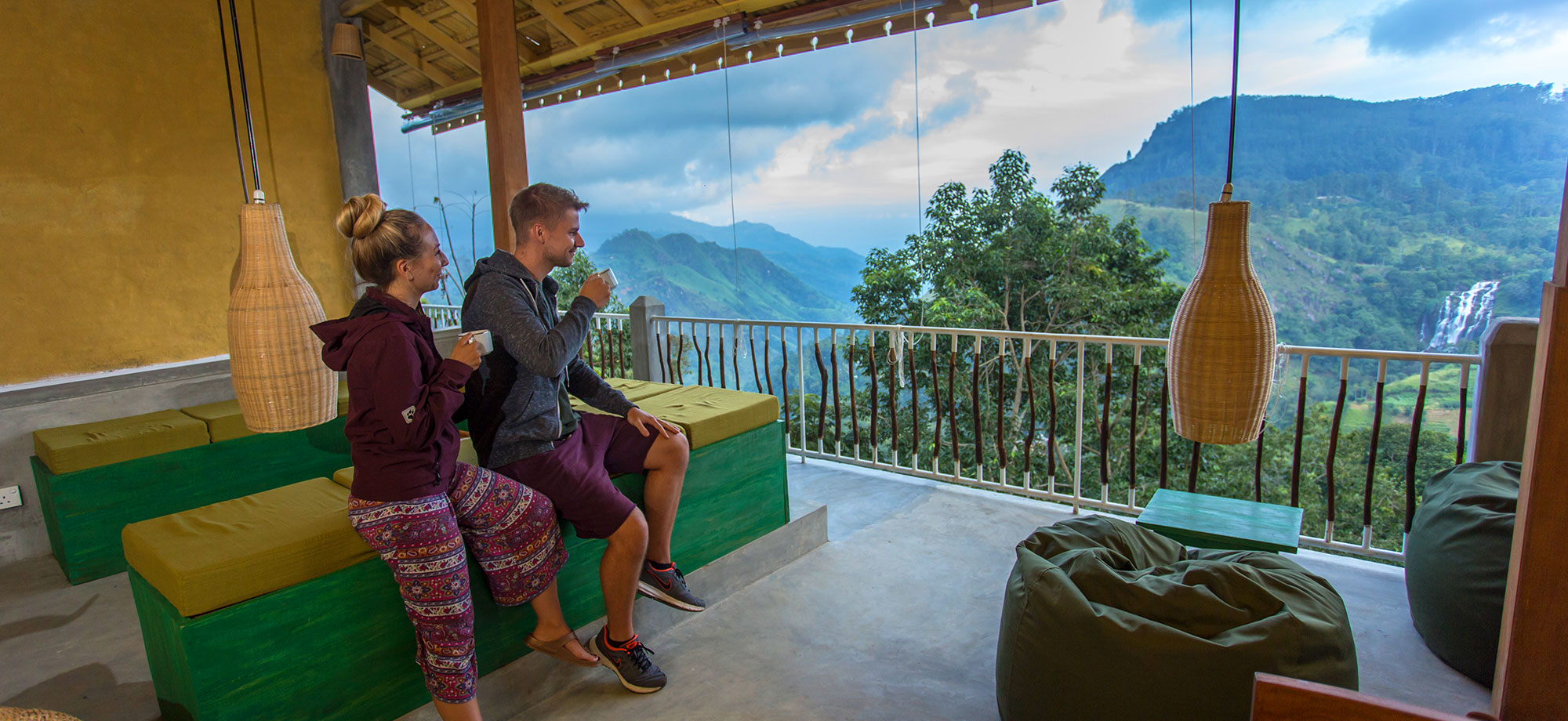
Agriculture, food, medicine, crafts and community practice connect historical knowledge with the present.
A Living Classroom
We connect these landscapes with academic questions, expert interpretation and field methods appropriate to your group.
Plan Your Study Tour